
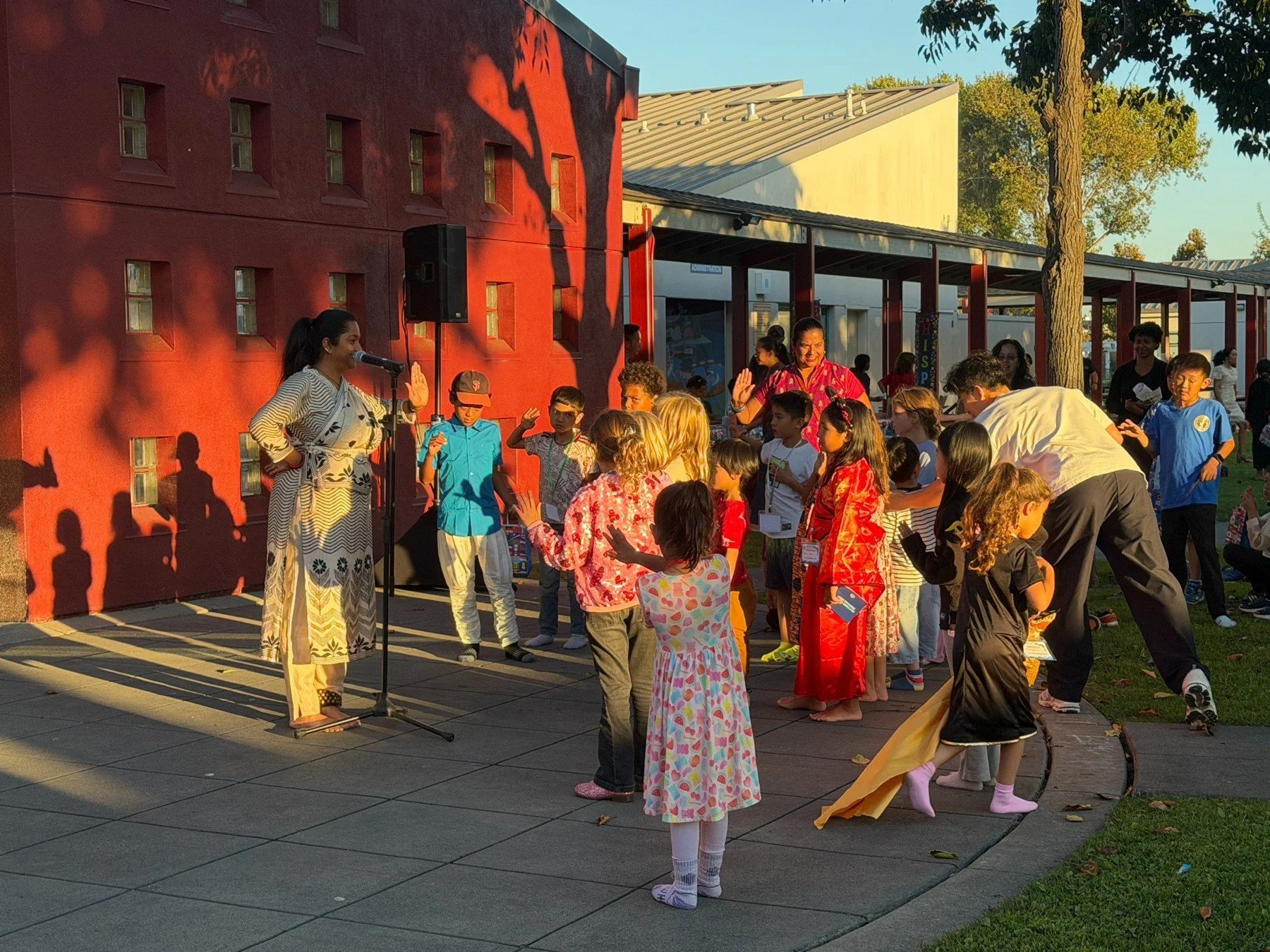
A school cultural celebration begins with the people willing to share a part of themselves. At Bay Farm School, Passport Around the World Cultural Night has grown because families did exactly that, and because the planning made room for more people to join them.
I have worked on both the inaugural event and its expanded second year. Aparna, the PTSA DEI Committee lead, brought the idea for Cultural Night. I supported her as the event operations lead, helping turn that vision into a gathering our community could take part in.
A first year built by school families
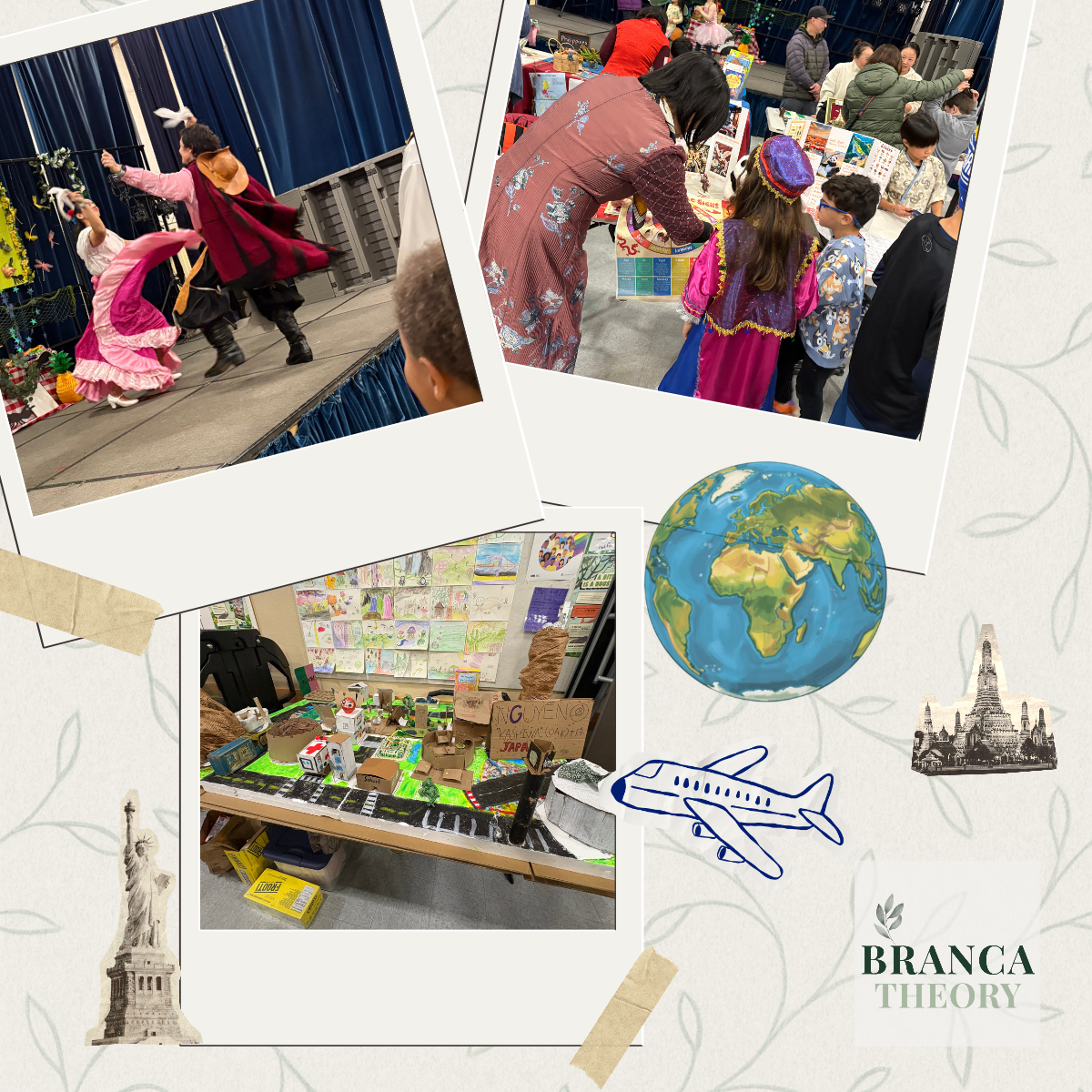
The inaugural Cultural Night was a one-hour event in the Multi-Purpose Room, or MPR. Families from our own school community shared their cultures, and one family also performed a dance on the MPR stage. Approximately 100 guests attended.
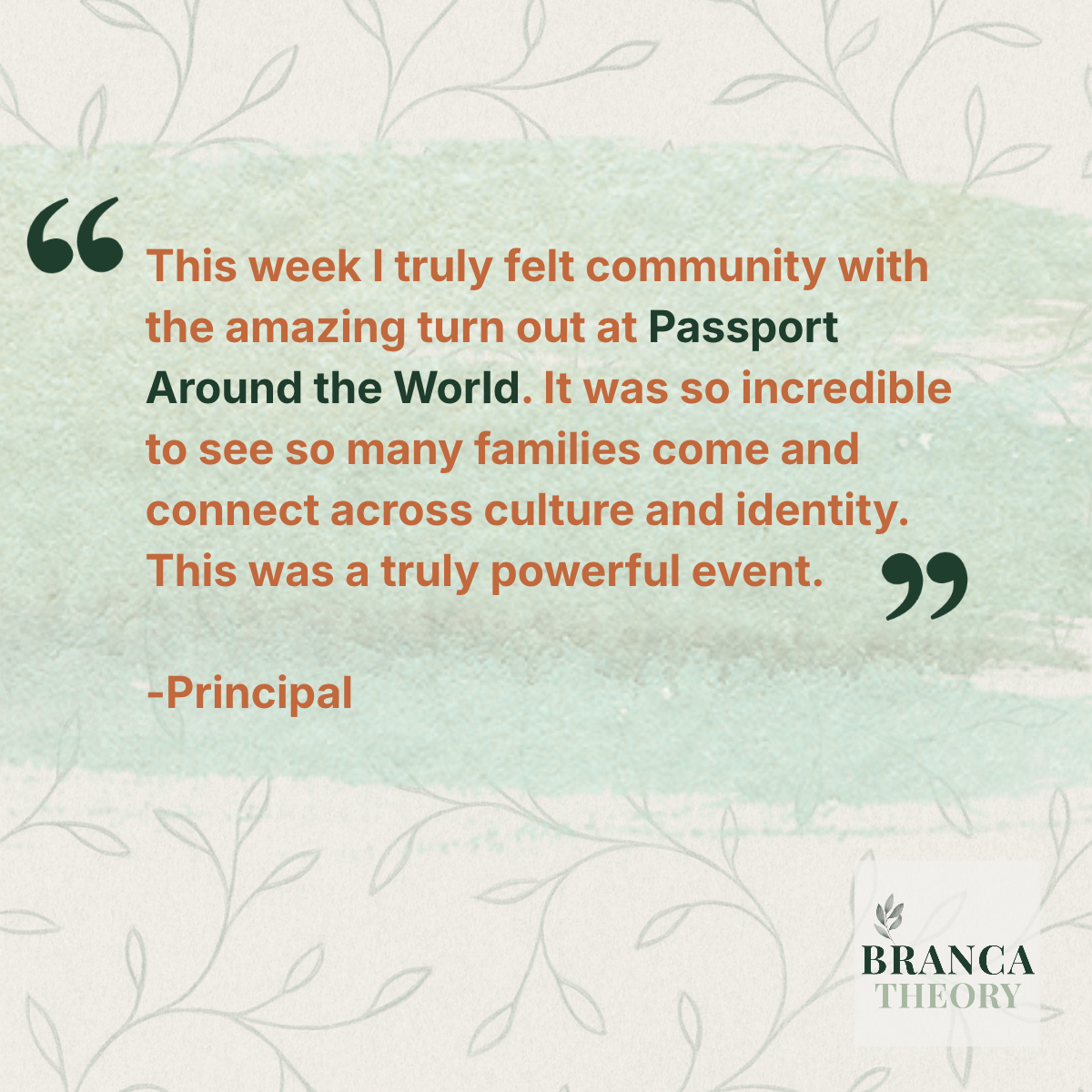
The room was full of families learning about one another. Principal Rahima praised it as one of the best events she had seen. In her reflection afterward, she described the joy of seeing families connect across culture and identity and called it a powerful event.
That response gave us a foundation to build on.
Growing the gathering
For the second Cultural Night, we expanded from one hour to three. The Cultural Expo remained in the MPR, while dance programming and family gathering space extended outside into the Quad. We also invited friends beyond the school community to participate in both parts of the evening.
We tracked at least 160 students attending with their families. That count reflects students, rather than the total number of people at the event. The expanded gathering gave more families and participants room to contribute, move between activities, and spend time together.
The work behind participation
As Programs Chair on the Bay Farm School PTSA board, I help connect the creative idea with the practical work of delivering it. Expanding the event meant thinking through how the MPR and Quad would work together, how contributors would participate, and what families would need to find their way through the evening.
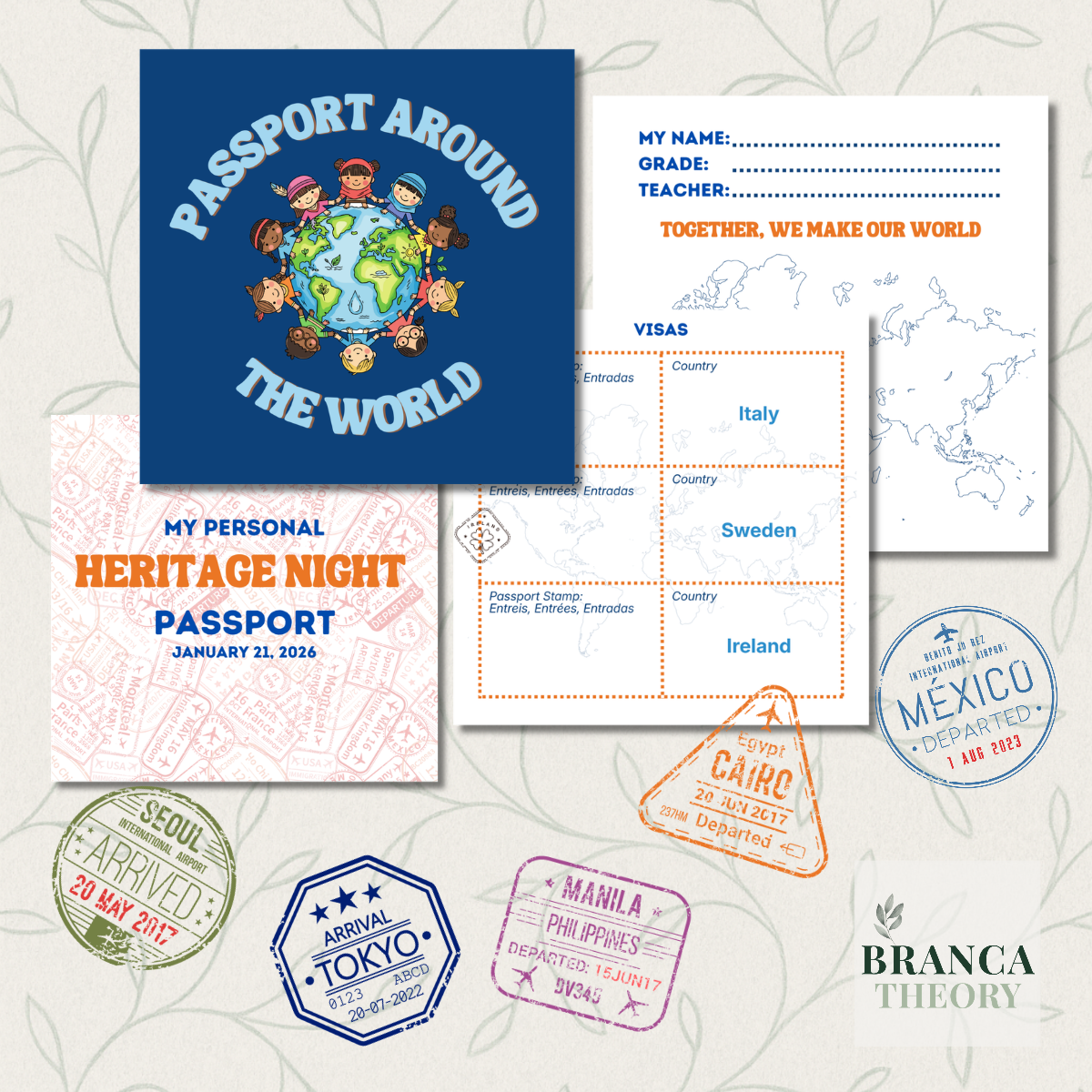
The materials I designed and oversaw production of supported that experience. The passport activity gave children a way to explore the cultures represented at the event. The recap graphics brought the materials, photographs, and community response together afterward, extending the story beyond the evening itself.
A celebration with shared ownership
The families sharing their cultures, dance contributors, Aparna and our PTSA collaborators, school staff, and volunteers all shaped what Cultural Night became. My role was to help their contributions work together in a plan that supported the experience.
Watching an idea grow from a busy hour in one room into a three-hour gathering across campus is deeply rewarding. The success is in the participation: people choosing to share, children trying something new, and families making connections they can carry into the next school day.